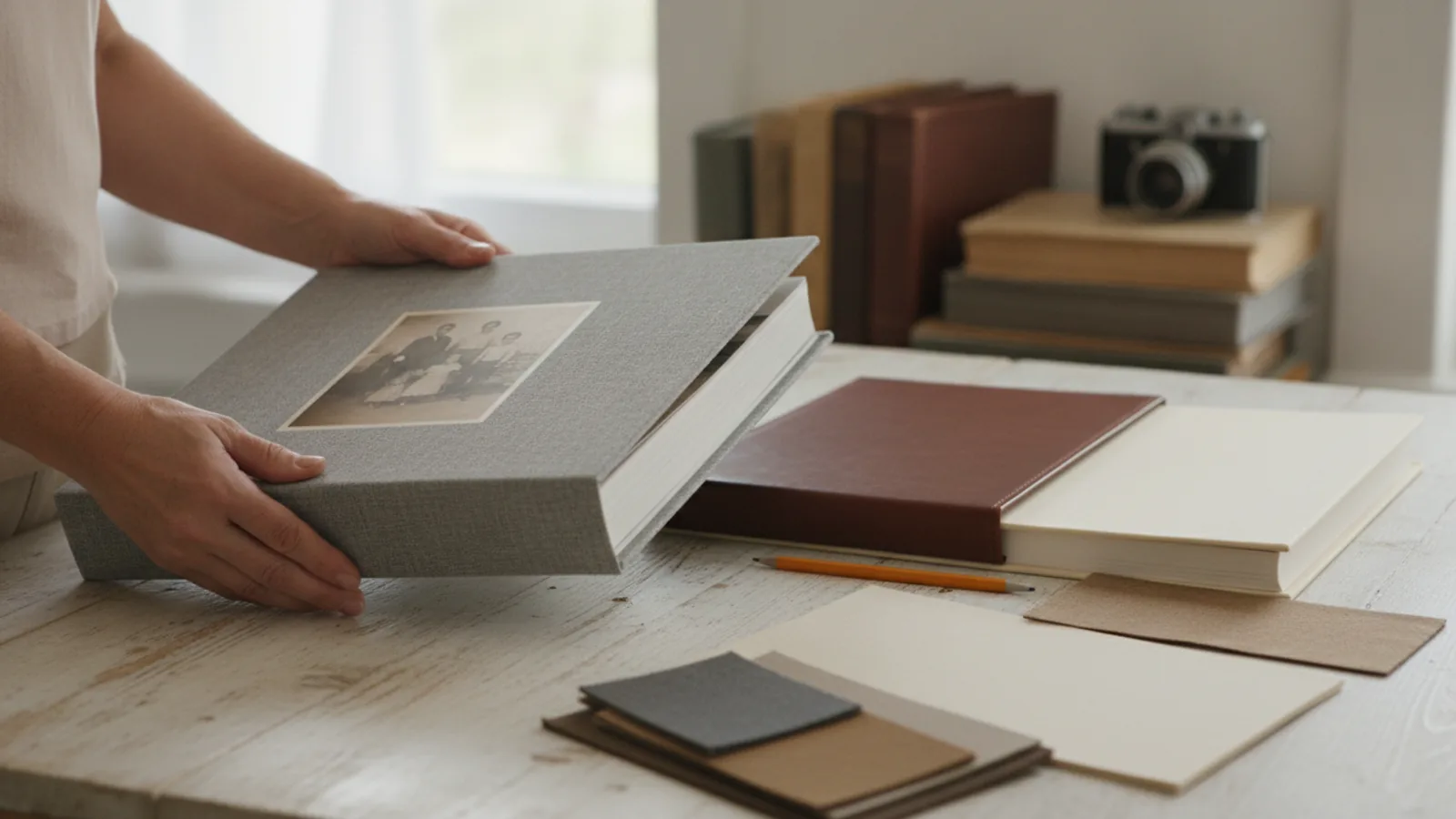
How To Display A Handwritten Family Recipe
A practical step-by-step guide to how to display a handwritten family recipe, including preparation, instructions, common issues, tips, and next steps.
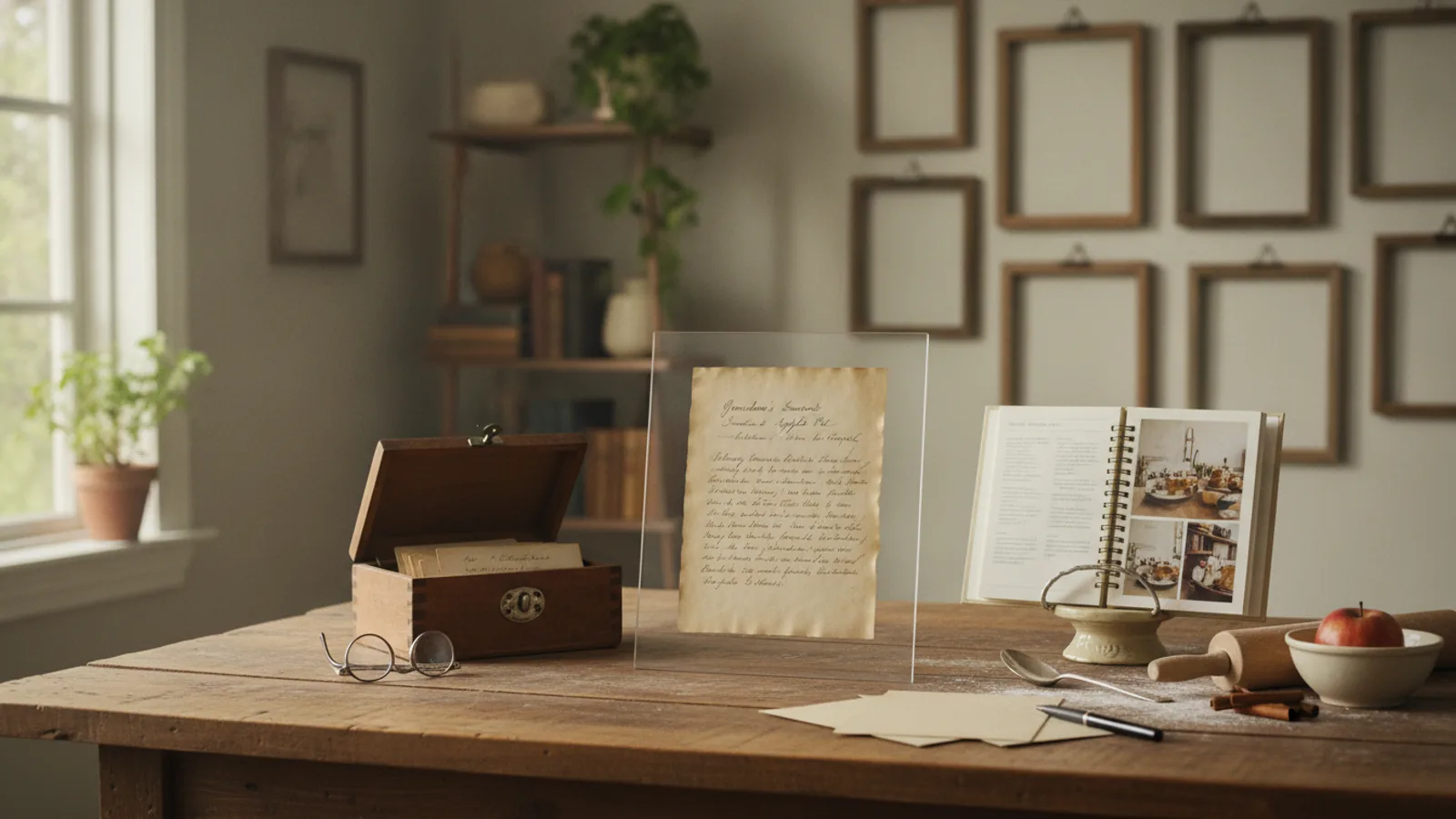
How To Display A Handwritten Family Recipe
Displaying a handwritten family recipe keeps a personal voice visible in your kitchen while protecting the original paper from grease, steam, and sunlight. This guide walks you through choosing a display method, preparing the paper, framing or mounting it safely, and adding small touches that make the recipe usable every day. You will also learn how to scan a backup copy, rotate the display to limit fading, and decide when a reproduction makes more sense than hanging the original.
Fast Answer
- Make a clean copy for daily cooking and display the original in a shaded, dry spot away from the stove.
- Mount the recipe on acid-free backing, seal it behind glass or acrylic, and check the seal and hanging hardware twice a year.
Before You Start
- Gather the handwritten recipe, a clean soft cloth, two pieces of acid-free backing board, and a pencil for notes.
- Choose a display location away from direct sun, strong heat, moisture, and the busiest walkway in the kitchen.
- Measure the recipe and decide whether to show the full page or crop to the handwriting you love most.
- Set up a flat, clean work surface and wash your hands so oils do not transfer to the paper.
Step-by-Step Instructions
Choose the right display method
Start by deciding how the recipe will live in your kitchen. A simple frame on a shelf suits a sturdy card, while a floating mount behind glass protects a thin, brittle page. If you cook from the recipe often, consider displaying a high-quality copy and storing the original flat in a dark, dry place. Hold the paper up in the intended spot and step back. Check that the handwriting is readable from where you stand while cooking, and that glare from a window does not wash out the text. This check matters because a display that is beautiful but unreadable will push you back to a phone screen, defeating the purpose of showing the handwritten original.
Clean and flatten the paper
Lay the recipe face up on a clean, flat surface. Use a soft, dry cloth to brush away dust, and avoid rubbing the ink. If the paper has mild curls, place it between two sheets of clean, acid-free paper and set a flat, light weight on top for a day or two. Do not iron it, and do not press so hard that creases become permanent. Once it lies flat, look at the edges and note any tears, stains, or weak spots. This check matters because a flat, clean sheet sits evenly in a frame and avoids stress at the corners, while hidden tears can spread when the paper is handled or pressed against glass.
Create a backup copy
Before the recipe goes behind glass, make at least one high-quality copy. Place the paper on a flat surface with even, indirect light, and take a straight-on photo with a phone or camera. Check the image by zooming in on the smallest handwriting to confirm every word is sharp. Store the file in two places, such as a cloud folder and a labeled folder on a computer, and print one paper copy for the kitchen. This check matters because a display can be damaged by a fall, a leak, or a move, and a clear backup lets you recreate the display without exposing the original to another round of handling.
Mount the recipe safely
Place the recipe on a piece of acid-free backing board. Use photo corners or a thin strip of archival-safe tape on the back edges only, never across the front of the writing. If you prefer no adhesive at all, cut a mat with an opening slightly smaller than the page and let the mat hold the paper in place. Center the recipe and check the margins on all four sides before you commit. This check matters because an off-center mount is hard to fix once the frame is sealed, and adhesive placed on the front can stain or lift ink over time.
Frame and seal the display
Set the mounted recipe into the frame and confirm the glass or acrylic does not press directly on the ink. If the frame has a deep rabbet, add a spacer or a second mat so the surface of the paper stays clear of the glazing. Close the back, then turn the frame over and gently shake it to listen for movement. Check that the hanging hardware is rated for the frame's weight by reading the label and your wall type. This check matters because paper that touches glazing can stick or stain in humid air, and underrated hardware can fail, sending the frame and the recipe to the floor.
Place, rotate, and maintain
Hang or set the frame in the chosen spot, then step back and confirm the recipe is not in direct sun or above a heat source. Touch the wall and the frame after cooking to feel for dampness or warmth. Every few months, take the frame down, dust it with a dry cloth, and check the paper through the glass for new fading, spots, or slipping. If you notice changes, move the display to a dimmer spot or replace it with the copy. This check matters because small shifts in light, heat, and moisture cause most long-term damage, and catching them early lets you adjust the display without losing the handwriting you want to keep.
Quick Reference
| Situation | Action | Why it helps |
|---|---|---|
| The recipe is fragile, torn, or very old and you want to show it. | Display a high-quality copy in the frame and store the original flat in an acid-free folder in a dark, dry drawer; consult a conservator before any repair. | Original paper loses strength over time, and a copy lets you enjoy the handwriting without exposing the fragile sheet to light, handling, or humidity. |
| Steam, grease, or cooking splatter reaches the display area. | Move the frame to a wall away from the stove and sink, or switch to a sealed frame with a clear cover and wipe the outside only with a dry cloth. | Moisture and grease can stain paper and loosen adhesive, and a sealed cover keeps the surface clean without touching the recipe itself. |
| You want family members to cook from the recipe every day. | Print a working copy for the counter, and keep the framed original as a display that is handled only for cleaning and checks. | Daily use causes spills, folds, and fingerprints, so separating the working copy from the displayed original protects the handwriting for the long term. |
Common Issues
- The ink is fading or the colors look duller than before.: Move the display out of direct sun and away from bright lamps, then compare the framed sheet with your backup photo. If fading has started, replace the display with the copy and store the original flat in a dark, dry place. Check the spot again after a month to confirm the fading has slowed.
- The paper slipped or wrinkled inside the frame.: Open the frame on a clean surface and reset the recipe on fresh acid-free backing. Use photo corners or a mat instead of tape, and make sure the glazing does not press on the paper. Close the frame, turn it over, and check that nothing shifts before hanging it again.
- Condensation or spots appear behind the glass.: Take the frame down and let it dry in a room with steady air. Move the display away from steam and heat, and add a spacer so the paper does not touch the glazing. If spots remain on the paper, photograph the sheet and ask a conservator before trying to clean it yourself.
Advanced Tips
- Make a second display for a different room using a copy, so the original stays in one controlled spot and the family can still see the recipe often.
- Write a short note on acid-free paper describing who wrote the recipe and when, and place it behind the frame as a hidden story.
- Rotate two or three family recipes through the same frame each season, which limits light exposure and keeps the display fresh.
Final Checklist
- The recipe is readable from where you stand while cooking, with no glare or shadow across the text.
- The paper sits flat on acid-free backing and does not touch the glass or acrylic.
- A sharp backup photo and a printed copy exist in separate places.
- The display is away from direct sun, heat, steam, and busy walkways, and the hanging hardware is rated for the frame.
FAQ
Should I frame the original handwritten recipe or a copy?
Frame the original only if it is sturdy and the display spot is dim, dry, and away from the stove. If the paper is thin, torn, or very old, display a high-quality copy and store the original flat in an acid-free folder in a dark drawer. Check the display every few months and compare it with your backup photo to catch fading early.
How do I keep the recipe from fading over time?
Keep the display out of direct sun and away from bright lamps and heat sources. Use glazing that reduces light damage if you can find it, and rotate the recipe with a copy every few months. When you clean, dust the outside of the frame only and never spray liquid near the paper. If you see color loss, move the display and swap in your copy.
What should I do if the paper is already torn or stained?
Do not tape, glue, or laminate the sheet, because those repairs can cause more damage over time. Photograph the recipe, store it flat in an acid-free folder, and display a copy instead. For a valuable or very old page, ask a paper conservator to assess it before you mount or clean anything, and follow their handling advice.