How To Collect Family Memories At A Reunion
A practical step-by-step guide to how to collect family memories at a reunion, including preparation, instructions, common issues, tips, and next steps.

How To Collect Family Memories At A Reunion
A family reunion is a rare chance to gather stories that would otherwise fade away. This guide explains how to collect memories calmly and respectfully, from planning simple prompts before the event to recording short interviews, labelling photos, and storing everything safely afterward. You will learn how to invite participation without pressure, keep sessions short, and make sure every voice, including quiet relatives, gets a chance to be heard.
Fast Answer
- Set up one quiet corner with a simple recorder and a list of open-ended questions, then invite people one at a time for short chats.
- Ask everyone to bring one photo or object, and label it on the spot with names, places, and dates while memories are fresh.
Before You Start
- Choose one or two quiet spots away from the main gathering noise, and test your recording device there before the event starts.
- Write ten open-ended questions that begin with phrases like tell me about or what was it like when, avoiding yes or no answers.
- Send a short message before the reunion asking each household to bring one photo, letter, or small object that holds a story.
- Gather backup power, extra storage, a notebook, and pens, and decide in advance where recordings and notes will be kept after the event.
Step-by-Step Instructions
Plan a calm gathering space
Before the reunion begins, walk through the venue and pick one or two quiet corners away from music, kitchens, and busy doorways. Sound carries in ways people do not notice until playback, so stand in each spot, listen for echoes, and check what background noise reaches it. Set up a small table with a recorder, spare power, a notebook, and pens. Test the recorder by speaking a sentence and playing it back, then adjust the distance so voices are clear without being too close. This check matters because a recording that cannot be heard later is lost effort, and a noisy room cannot be fixed after the event. Keep the table tidy and welcoming so relatives feel invited rather than examined.
Invite stories without pressure
As people arrive and settle, move around the room and greet relatives warmly before mentioning recording. When the moment feels relaxed, explain that you are gathering family stories and ask if they would like to share one for a few minutes. Make clear that saying no is completely fine and that nothing will be shared without their permission. Offer choices, such as talking alone, sitting with a sibling, or simply writing a note instead of speaking. This approach matters because people share more openly when they feel in control of the decision. Carry a small notebook so you can jot down names of people who seem willing and topics they mention, then follow up later when the timing is better.
Ask open questions and listen
Begin each conversation with an easy, open question such as what was your neighbourhood like when you were young. Let the answer run without interrupting, and resist the urge to fill silences, because pauses often lead to richer details. Follow up with short prompts like tell me more about that or what happened next. Avoid questions that can be answered with a single word. Keep an eye on the speaker and stop after a set time, roughly fifteen to twenty minutes, so no one tires. This check protects both the quality of the recording and the comfort of the speaker. If a relative drifts to a different topic, follow the story rather than forcing your list.
Capture names, places, and dates
While recording, quietly note the full names, relationships, places, and rough dates that come up. Ask gentle clarifying questions when a detail is unclear, such as the name of the town or the year it happened. After the conversation, read your notes back to the speaker and ask if anything needs correcting. This step matters because recordings without context become hard to understand years later, when the people who could explain them may not be available. Label the recording file immediately with the speaker name, date, and main topic. If the speaker mentions a photo or object, ask to see it and photograph it with the person holding it, then write a short caption on the spot.
Gather photos and objects
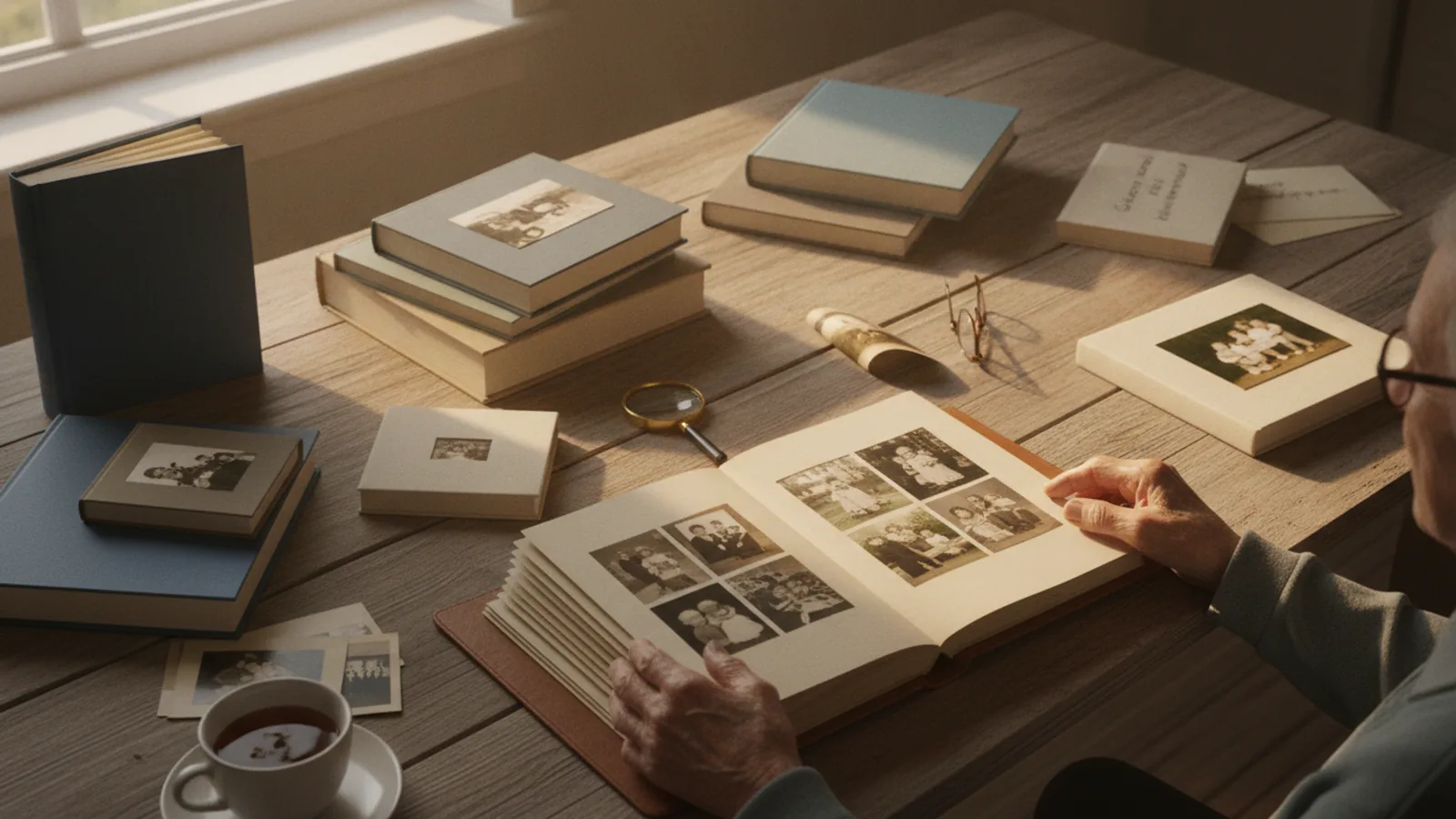
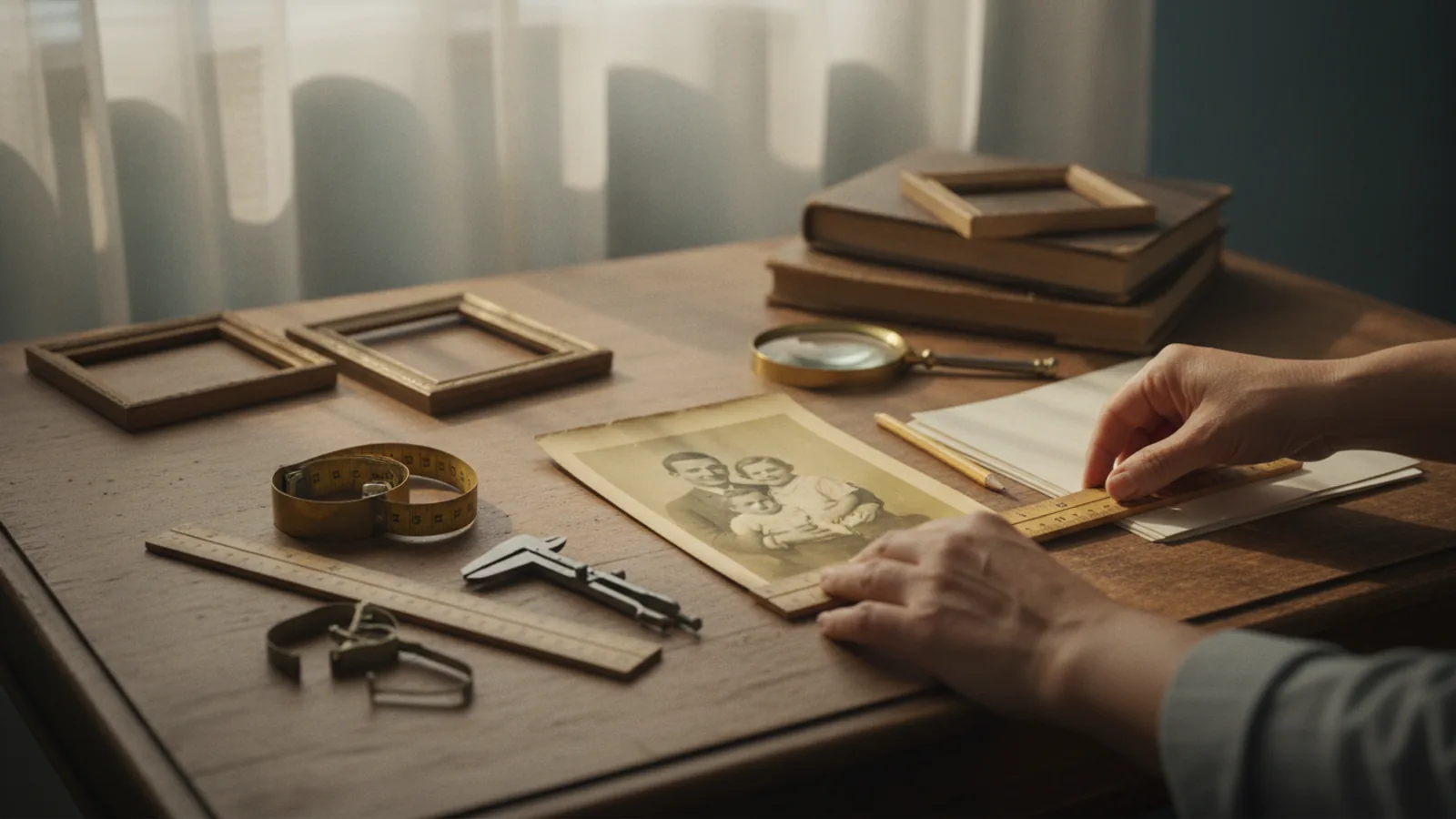
Set aside a table or a clear floor space where relatives can place photos, letters, and small objects. Sit with each person as they add items, and write a caption for every one, including who is pictured, where it was taken, and the approximate year. Ask who else is in the photo and whether anyone present remembers the day. This matters because an unlabelled photo quickly becomes a mystery, and guesses made later are often wrong. Handle old items with clean, dry hands and keep food and drinks away from the table. If someone is unsure about a detail, write what is known and mark the rest as uncertain rather than inventing an answer. Photograph each item before it goes home with its owner.
Store and share the collection
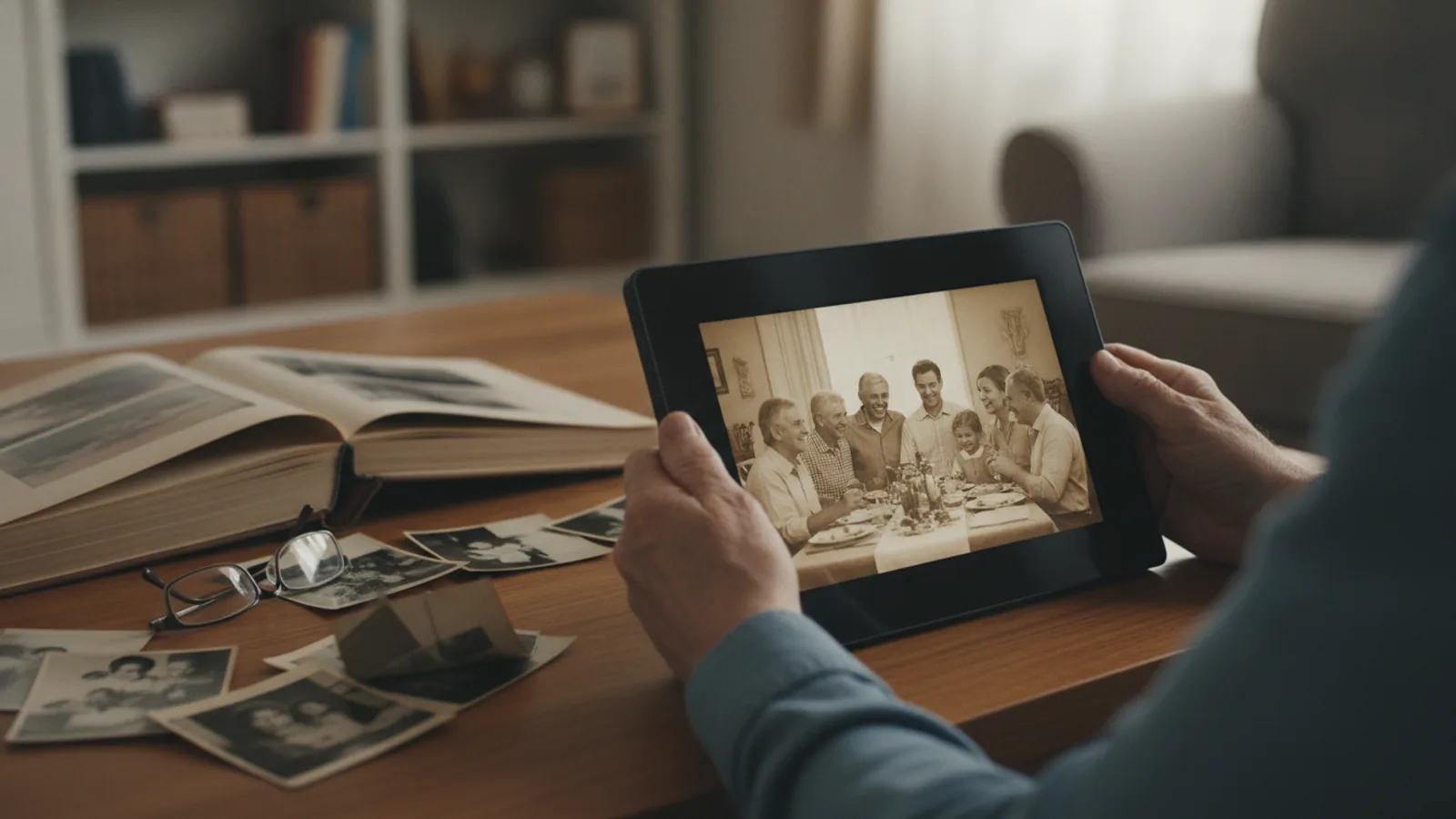
Within a few days of the reunion, copy every recording and photo from your device to a second location, such as an external drive or a private folder, and give the files clear names. Create a simple index that lists each speaker, topic, and date. Before sharing anything, contact each person and confirm what they are comfortable with, since some stories involve other relatives who were not present. This check prevents private material from spreading by accident. Make copies for interested family members in a format they can open, and keep the original files untouched. Set a reminder to review the collection in a few months, when memories of the event have settled and people may recall extra details.
Quick Reference
| Situation | Action | Why it helps |
|---|---|---|
| A relative seems willing to talk but the room is loud and busy. | Invite them to the quiet corner you prepared, offer a seat and a drink, explain briefly how the recording will be used, and start with one easy question about their childhood. | A calmer setting improves sound quality and helps the speaker relax, which leads to longer and more detailed answers. |
| An older relative starts telling a story you have heard before. | Let the story continue and ask one new follow-up question about a detail you have not heard, such as what the weather was like or who else was there that day. | Familiar stories often contain unfamiliar details, and gentle follow-up questions can reveal names, places, and feelings that were never recorded before. |
| You realize partway through the event that you have not recorded anyone from one branch of the family. | Check your notes for gaps, then approach two or three people from that branch, explain what you are doing, and ask for a short five-minute conversation before they leave. | Family collections feel incomplete when whole branches are missing, and a short conversation is far better than no record at all. |
Common Issues
- The recording is hard to hear because of background noise.: Move the conversation to a quieter spot, place the recorder closer to the speaker, and ask others nearby to step away for a few minutes. If noise cannot be avoided, write down the key details in your notebook so the story is not lost entirely.
- A relative gives very short answers and the conversation stalls.: Switch from direct questions to story prompts, such as asking them to describe a typical day in their childhood home, and share a small memory of your own first to make the exchange feel equal and relaxed.
- You are unsure who is in an old photo and nobody agrees.: Write down every version offered, note who suggested each one, and mark the caption as uncertain. Later, compare the photo with other labelled pictures or ask a relative who was not at the reunion for their view.
Advanced Tips
- Record a short ambient clip of the reunion itself, such as laughter during a meal or a group song, to preserve the sound of the gathering alongside the interviews.
- Ask each speaker at the end of a session what question they wish someone had asked them, because this often opens a topic nobody thought to raise.
- Keep a running list of unanswered questions during the event and send it to relatives afterward, inviting written replies for the parts you could not record.
Final Checklist
- Every recording has been copied to a second location and given a clear file name with the speaker and date.
- Each photo and object has a caption listing names, place, approximate year, and who provided the item.
- Each person who was recorded has been contacted about how their material will be stored and shared.
- A simple index lists every speaker, topic, and date, and a reminder is set to review the collection later.
FAQ
What if a relative does not want to be recorded?
Respect the answer without pushing. Offer alternatives such as writing notes by hand, recording only their voice with the screen turned away, or simply listening and summarizing later with their approval. The relationship matters more than the recording, and a person who feels respected may change their mind at a future gathering.
How long should each conversation last?
Aim for about fifteen to twenty minutes for most speakers, and shorter for anyone who seems tired or uncomfortable. Longer sessions can be split across the event or follow-up calls. Short, focused conversations are easier to review later and less tiring for the speaker, so quality and comfort matter more than total length.
What should I do with the recordings afterward?
Copy them to a second storage location, name the files clearly, and create an index of speakers and topics. Ask each person what they are comfortable sharing before sending copies to others. Keep the original files unchanged, and store the collection somewhere family members can find it in the future.